

Tooth Extractions
A tooth extraction may be needed when a tooth can no longer be predictably restored or when removing it forms part of a wider treatment plan. We will always consider whether the tooth can be preserved first. When removal is the right option, the area is carefully numbed and the tooth is removed as comfortably as possible, with clear advice provided for your recovery afterwards.
If you are considering dental implants in the future, it can be helpful for the tooth to be removed by a dentist experienced in implant treatment. This allows the extraction to be planned with bone preservation techniques in mind, helping create a more favourable foundation for future implant placement. Our dental implant team can manage your extraction and future implant care within the practice. Ask us about Dental Implants at your visit.
If you feel particularly anxious about dental treatment, ask us about our Dental Sedation for Nervous Patients at your visit.
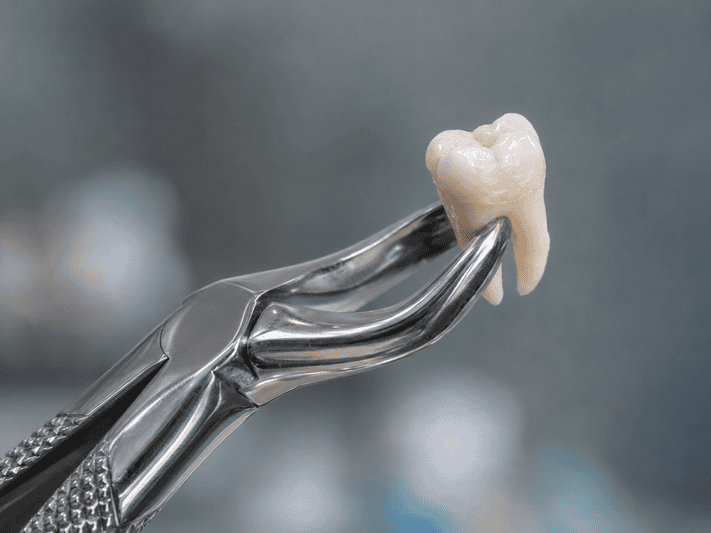
When Might a Tooth Need to Be Removed?
There are several reasons why we may recommend an extraction:
1. Severe Decay or Infection: If a tooth is too badly damaged to restore with a filling, crown or root canal treatment.
2. Advanced Gum Disease: A tooth may become loose when there is significant loss of the bone and gum supporting it.
3. Broken or Damaged Teeth: Some fractures or injuries leave too little healthy tooth remaining for predictable restoration.
4. Orthodontic Treatment: Occasionally, a tooth may be removed to create the space needed to align the remaining teeth.
We will explain why removal is being considered and discuss any suitable alternatives before treatment.

What Happens During a Tooth Extraction?
Before treatment, we will assess the tooth and review any relevant X-rays. Local anaesthetic is then used to completely numb the area.
For a routine extraction, the tooth is carefully loosened and removed from its socket. You may feel some pressure during the procedure, but you should remain comfortable without any sharp pain.
Once the tooth has been removed, we will check the area and place gauze over the socket to help a blood clot form.
If a tooth needs a more complex surgical approach, we will explain this separately and discuss the appropriate Oral Surgery treatment with you.

Aftercare
For the first 24 hours, allow the extraction site to settle and avoid disturbing the blood clot. Bite on the gauze as advised and avoid vigorous rinsing, smoking and alcohol.
Choose softer foods and avoid very hot food or drinks until the numbness has worn off. From the following day, gentle warm salt-water rinses can help keep the area comfortable while it heals.
Continue brushing the rest of your teeth as normal, taking care around the extraction site. We will also discuss whether the missing tooth would benefit from replacement once the area has healed.
We will also provide you with detailed written aftercare instructions, so you can refer back to everything you need to know during your recovery.